

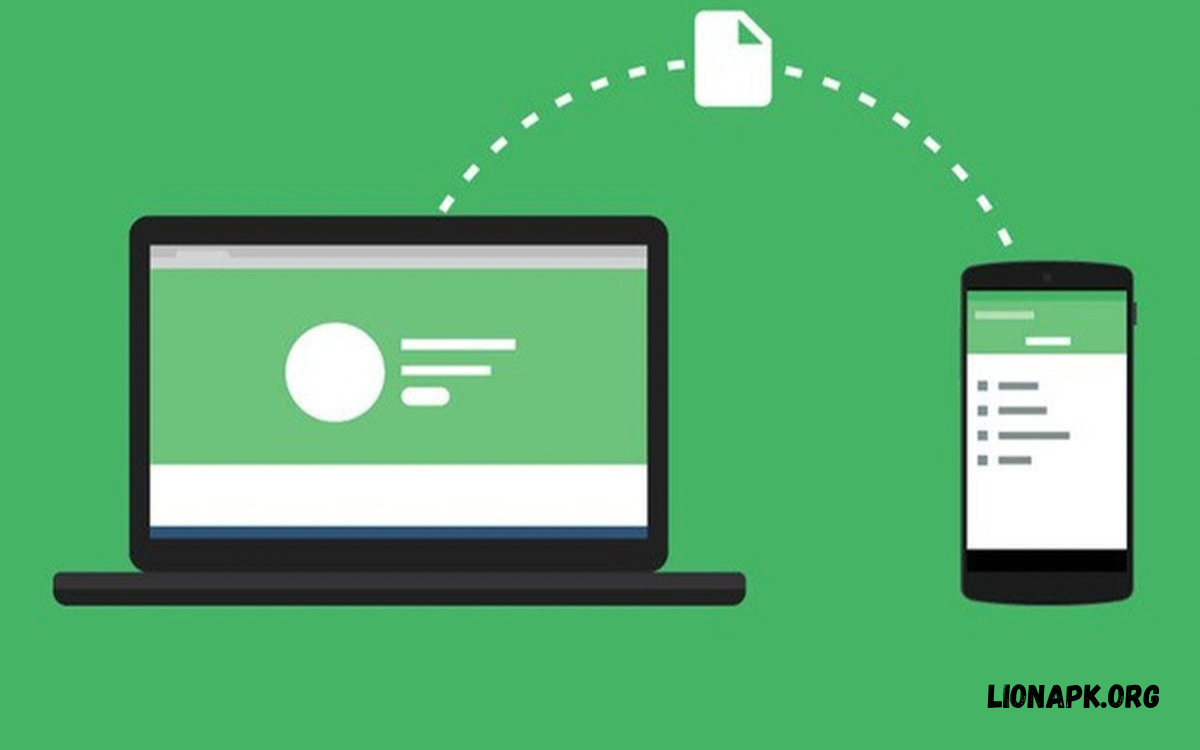
Learning how to transfer files on Android makes it easier to move photos, videos, documents, music, and other important data between devices. Android provides several practical transfer methods, including USB cables, Bluetooth, Quick Share, cloud storage, and computer connections.
Whether you need to move files between two Android phones or transfer data between an Android phone and a computer, the process can be simple. This guide explains how to transfer files on Android using reliable methods while keeping your files organized and reducing the risk of accidental data loss.
How to Transfer Files on Android Using USB
A USB cable is one of the most reliable ways to transfer files on Android. Connect your Android phone to a computer using a compatible USB cable, unlock the phone, and check the USB notification. Select the option for File Transfer or MTP when available.
Open the phone storage from your computer and browse folders such as DCIM, Pictures, Download, Documents, or Music. Select the files you need and copy them to the desired folder on your computer.
How to Transfer Files on Android With Quick Share
Quick Share is a convenient option for transferring files between compatible Android devices. Open the file you want to share, tap the Share button, and select Quick Share from the available options. Choose the nearby device when it appears, and the receiving device can accept the transfer.
Quick Share can be useful when you want to move photos, videos, documents, links, or other supported content without connecting a cable. Keep the devices relatively close and make sure the necessary wireless features are enabled. The exact interface can vary depending on the Android version and device manufacturer.
How to Transfer Files on Android Using Bluetooth
Bluetooth provides another wireless method for transferring smaller files between compatible devices. Turn on Bluetooth on both devices, pair them, and open the file you want to send. Select Share, choose Bluetooth, and then select the paired device from the available list.
Bluetooth can work well when an internet connection is unavailable, but transfers may take longer than newer wireless sharing methods. It is better suited to individual photos, documents, or smaller files rather than very large collections. Keeping the devices nearby can help maintain a stable connection during the transfer.
How to Transfer Files on Android With a Computer
Connecting an Android phone to a computer gives you access to a wider range of file-management options. After connecting the phone through USB, select File Transfer on the Android device. Your computer should display the phone’s internal storage and, when supported, an inserted memory card.
You can then drag and drop files between the phone and computer. This method is useful for organizing folders, creating personal backups, moving large media files, and freeing storage space on the phone. Before disconnecting, finish active transfers and safely eject the device when your computer provides that option.
How to Transfer Files on Android Using Cloud Storage
Cloud storage allows files to move between devices without a physical connection. Upload a photo, document, video, or other file to a cloud-storage service from your Android phone. Sign in to the same account on another device and download or access the uploaded file.
Cloud transfers are especially useful when your phone and computer are in different locations. However, uploading and downloading files uses internet data and depends on available storage and connection speed. For large files, a stable Wi-Fi connection can make the process more convenient.
How to Transfer Files Between Two Android Phones
Moving files from one Android phone to another can be done through Quick Share, cloud storage, a USB connection, or manufacturer-specific transfer tools. For a small number of files, wireless sharing is often convenient. Select the required content, tap Share, choose the available transfer method, and follow the instructions on both phones.
For a larger migration, use the setup or data-transfer features provided during the new phone’s initial configuration. These tools may transfer supported contacts, photos, applications, messages, settings, and other information. Review the selected data before starting so unnecessary files are not copied to the new device.
How to Transfer Photos and Videos on Android
Photos and videos usually take up significant storage space, making efficient transfer methods important. Open your gallery or file manager, select the required media, and use Quick Share, USB transfer, cloud storage, or another supported sharing method. For large collections, USB or computer-based transfers can be more practical.
Create organized folders on your computer or destination device before transferring a large collection. This makes future searches easier and reduces unnecessary duplicates. Keep the original files until you confirm that the transferred copies open correctly and contain the expected content.
How to Transfer Documents on Android
Documents such as PDFs, presentations, spreadsheets, and text files can be transferred using USB, Quick Share, Bluetooth, email attachments, or cloud storage. Open the file manager, locate the document, select Share, and choose the transfer method that matches your needs.
For multiple documents, putting them in a dedicated folder makes the transfer easier to manage. USB and cloud storage are especially useful when transferring many files. After you finish, check the destination folder to confirm all important documents are there.
How to Transfer Files From Android to Windows
Windows computers can access Android storage through a USB connection when the phone supports file-transfer mode. Connect the devices, unlock the Android phone, and select File Transfer from the USB preferences. The phone should appear in Windows File Explorer as a connected device.
Navigate through the available folders and copy the required files to your Windows computer. You can transfer individual files or larger groups of folders. If Windows doesn’t detect the phone, check the cable, unlock the device, reconnect it, and confirm that File Transfer (not charging-only mode) is selected.
How to Transfer Files From Android to Mac
Transferring files between Android and a Mac can require additional software or a compatible file-transfer solution, depending on the Android and macOS versions. Connect the Android device using a suitable USB cable and follow the instructions provided by the chosen transfer application or supported method.
Wireless options can also make Android-to-Mac transfers easier. Cloud storage and compatible sharing services allow files to move without a direct USB connection. When choosing a method, consider file size, transfer speed, privacy, and whether you need to move files regularly.
How to Transfer Files Without Internet
You can transfer files on Android without internet access by using USB cables, Bluetooth, or supported local wireless sharing features. USB is particularly useful for large files because it does not require mobile data or an internet connection. Bluetooth can also work for smaller files between nearby compatible devices.
Offline transfer methods are useful during travel or when internet access is unavailable. Before starting, make sure both devices support the selected transfer method. For wireless transfers, keep the devices close together and avoid interrupting the connection until the file transfer has finished.
How to Transfer Large Files on Android
Large files require a transfer method that can maintain a stable connection for an extended period. USB is often a practical choice for very large videos, archives, and folders. Connecting the phone directly to a computer can also avoid internet upload and download limits.
Wireless sharing may also support large files, depending on the devices and software involved. Before transferring, check the destination device’s available storage. Avoid deleting the original file until you have confirmed that the complete copy has transferred successfully and can be opened normally.
Read Also: How to Uninstall Android Apps
How to Transfer Files Using a File Manager
A file manager provides direct access to folders and files stored on an Android device. Open the file manager, browse to the desired files, select them, and use the available Share, Copy, or Move options. Folder organization can make repeated transfers much easier.
File managers are particularly useful when you need more control over which files are transferred. You can locate downloads, screenshots, documents, compressed files, and media stored in different folders. Review file names and locations carefully before moving important content.
How to Transfer Files Safely
Before transferring important files, make sure the destination has enough free storage. For valuable photos, documents, or school and work files, keeping another backup can provide additional protection. Avoid interrupting transfers because incomplete copies may become unusable.
After the transfer finishes, open several files from the destination to confirm that they transferred correctly. If you are moving a large collection, compare folders and file counts when practical. Only remove the original files after you are confident that the new copies are complete.
Common Problems When Transferring Android Files
A phone may fail to transfer files because of an incompatible cable, incorrect USB mode, locked screen, outdated software, or insufficient storage. Start by unlocking the phone and checking the USB notification. If the computer still doesn’t recognize the device, try a different cable or USB port.
Wireless transfers can also fail because of disabled connectivity features, distance between devices, or temporary software issues. Restarting the devices and trying again can resolve simple problems. For important files, switching to a USB or cloud-based method can provide an alternative.
Tips for Faster Android File Transfers
Choosing the right transfer method can significantly improve the overall experience. Use USB for very large collections, Quick Share for convenient nearby wireless transfers, and cloud storage when you need access across different locations.
Keep both devices sufficiently charged during lengthy transfers. Organize files before starting and remove unnecessary duplicates when appropriate. A stable connection, enough storage, and a clear destination folder can make the transfer faster and easier to manage.
Frequently Asked Questions
What is the easiest way to transfer files on Android?
Quick Share is a convenient option for transferring supported files between compatible nearby devices. For Android-to-computer transfers, a USB cable with File Transfer mode is often straightforward and reliable.
Can I transfer files from Android without a cable?
Yes. You can use Quick Share, Bluetooth, cloud storage, or other supported wireless sharing methods. The best option depends on your devices, file size, connection availability, and required transfer speed.
How do I transfer files from Android to a computer?
Connect the Android phone to the computer with a compatible USB cable, unlock the phone, and select File Transfer when prompted. Then open the phone storage on the computer and copy the files you need.
Can I transfer large videos from Android?
Yes. You can transfer large videos using USB, Quick Share, cloud storage, or other supported methods. USB is often practical for large collections because it provides a direct connection.
Why is my Android phone not showing on my computer?
Check that the phone is unlocked and USB mode is set to File Transfer, not charging only. You can also try a different cable or USB port, and restart the phone or computer if needed.
Can Bluetooth transfer files on Android?
Yes. Bluetooth can transfer supported files between paired compatible devices. It is generally better for smaller files because transfers can take longer than newer wireless sharing options.
How can I transfer files between two Android phones?
You can use Quick Share, Bluetooth, cloud storage, a USB connection, or supported device-transfer tools. For a full phone migration, the transfer tool offered during new-device setup may be a better option.
Is cloud storage safe for file transfers?
Cloud storage can conveniently access files across devices. Use a trusted service, protect your account with strong security settings, and avoid sharing sensitive files publicly.
How can I transfer files without losing them?
Keep the original files until you have verified the transferred copies. For important data, maintain an additional backup and check several files after the transfer is complete.
What is the best method for transferring many files?
For a large number of files, transferring via USB to a computer can be efficient. Quick Share can be convenient for nearby devices, while cloud storage is useful when you need access from multiple locations.
Conclusion
Knowing how to transfer files on Android gives you several flexible ways to move important data between phones, computers, and other compatible devices.
The best transfer method depends on your file size, destination, available connections, and personal requirements. Before deleting original files, always verify the transferred copies.
