

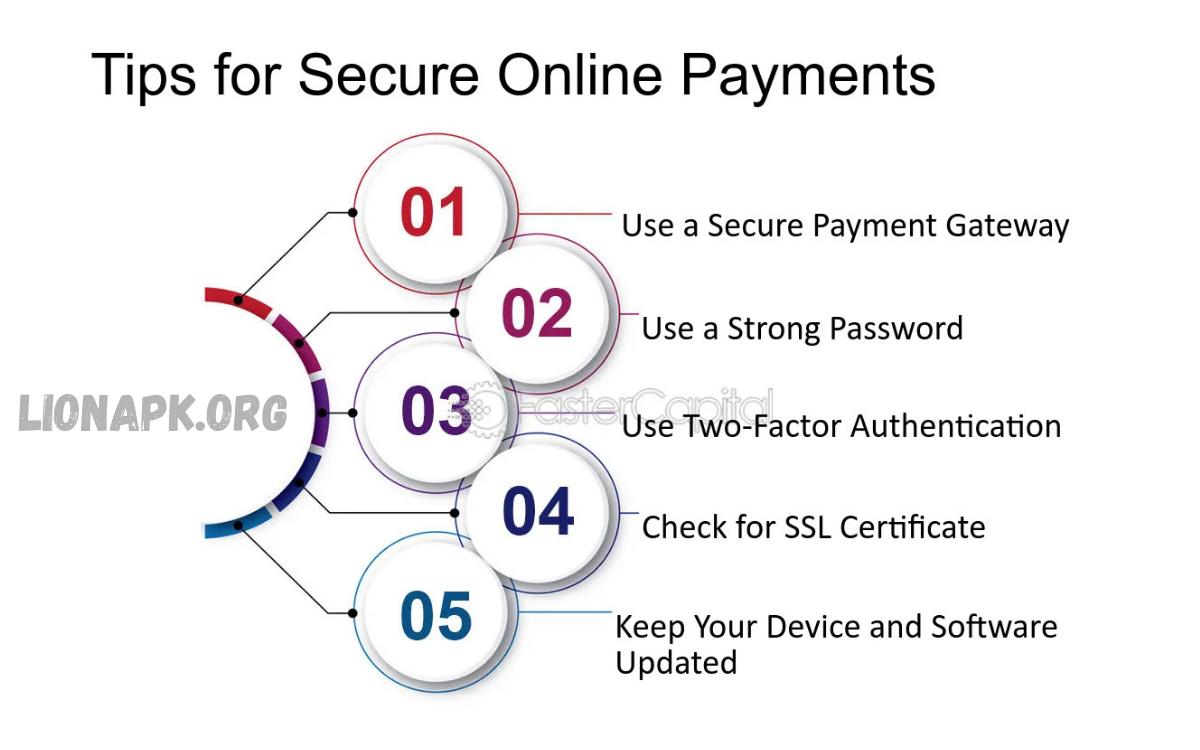
Secure online payments have become an essential part of modern life as more people shop, transfer money, and manage finances online. While digital transactions offer convenience and speed, they also expose users to risks such as fraud, phishing attacks, and data theft.
One of the key aspects of safe online payments is using trusted platforms and secure payment gateways. Reputable websites typically use encryption to protect sensitive data such as credit card numbers and banking details.
Importance of Secure Online Payments
Online payment systems process sensitive financial data, including credit card numbers, bank credentials, authentication codes, and personal identity information. Without adequate protection, criminals exploit vulnerabilities within devices, networks, or user behavior.
Consequences of compromised payments include:
- Financial loss
- Identity theft
- Unauthorized transactions
- Data breaches
- Reputation damage for businesses
Secure transaction habits strengthen overall cybersecurity posture. Individuals applying consistent security protocols significantly reduce vulnerability.
Choose Trusted Payment Platforms
Reliable payment platforms provide robust infrastructure security, fraud-detection systems, encryption technologies, and consumer-protection policies. Well-established payment processors invest heavily within cybersecurity architecture.
Recommended secure payment services typically offer:
- End-to-end encryption
- fraud monitoring algorithms
- transaction verification systems
- customer protection policies
Users should conduct transactions only through reputable services rather than unknown payment portals.
Indicators of trustworthy platforms include:
- recognizable brand reputation
- verified business registration
- transparent security policies
- secure authentication methods
Platform credibility forms foundation for secure online payment environments.
Verify Website Security Protocols
Before submitting payment details, users must verify website security configuration. Legitimate websites protect communication channels through encryption protocols.
Key verification signs include:
- HTTPS protocol within browser address bar
- padlock security symbol
- valid digital security certificate
HTTPS indicates encrypted communication channel between user device and web server. Encryption prevents attackers from intercepting financial information during transmission.
Unsecured websites lacking HTTPS create exposure for data interception attacks. Cybercriminals frequently create fraudulent replicas of legitimate websites designed specifically for payment data theft.
Verification remains fundamental among secure online payments tips.
Strong Password Strategy
Account security begins with robust password construction. Weak passwords enable brute-force attacks, credential stuffing, unauthorized access.
Effective password practices include:
- minimum twelve characters length
- mixture uppercase letters, lowercase letters, numbers, symbols
- unique password for every financial account
- regular password updates
Password managers assist secure storage of complex credentials. Such tools generate random passwords resistant against guessing attacks.
Avoid predictable patterns such as:
- birth dates
- phone numbers
- simple sequences
- reused credentials
Strong authentication significantly reduces account compromise probability.
Enable Two-Factor Authentication
Two-factor authentication adds extra verification layer beyond standard password entry. Even if attackers obtain account credentials, additional authentication requirement blocks unauthorized access.
Common two-factor verification methods include:
- SMS verification codes
- authentication mobile applications
- biometric verification
- hardware security keys
Authentication apps provide stronger security compared with SMS verification due to resistance against SIM-swap attacks.
Many banking platforms, payment services, digital wallets support multi-factor authentication. Activation remains one of the most powerful secure online payments tips.
Avoid Public Wi-Fi During Transactions
Public wireless networks within cafés, airports, hotels frequently lack adequate security controls. Attackers exploit open networks using interception techniques such as packet sniffing or man-in-the-middle attacks.
During online payment activity, sensitive data travels through network channels. Unsecured Wi-Fi increases risk exposure.
Safer alternatives include:
- mobile data connections
- private home networks
- virtual private network services
VPN technology encrypts internet traffic, reducing interception threats even within public network environments.
For maximum security, financial transactions should occur only through trusted network connections.
Monitor Bank Accounts Regularly
Frequent account monitoring enables early detection of suspicious activity. Cybercriminals often conduct small test transactions before larger fraudulent transfers.
Users should review:
- bank account statements
- credit card transaction history
- payment service notifications
Unexpected charges require immediate reporting through financial institutions.
Most banks provide transaction alerts through mobile notifications or email messages. Instant alerts allow rapid response against unauthorized activity.
Active monitoring forms critical component within secure online payments tips.
Protect Devices Against Malware
Malicious software compromises devices through infected downloads, malicious links, unsafe applications. Malware captures keystrokes, steals financial credentials, manipulates browser sessions.
Essential device protection practices include:
- reliable antivirus software
- regular operating system updates
- application security patches
- firewall activation
Software updates frequently contain security patches closing vulnerabilities discovered by cybersecurity researchers.
Outdated systems become prime targets for exploitation.
Maintaining secure devices ensures safe payment transactions.
Recognize Phishing Attempts
Phishing attacks represent major financial fraud technique. Cybercriminals send deceptive emails, messages, fake websites requesting login credentials or payment information.
Typical phishing indicators include:
- urgent payment requests
- suspicious attachments
- unknown sender addresses
- spelling or formatting errors
- unusual login links
Users should never enter payment credentials through links received within unsolicited messages. Instead, access official websites directly through browser search or saved bookmarks.
Education regarding phishing patterns strengthens personal cybersecurity awareness.
Use Secure Payment Methods
Certain payment methods offer stronger protection compared with direct bank transfers. Secure payment solutions implement buyer protection systems and transaction dispute mechanisms.
Examples include:
- digital wallets
- tokenized card payments
- virtual credit cards
Tokenization technology replaces sensitive card numbers with encrypted tokens during transactions. Even if intercepted, tokens cannot reveal actual payment information.
Virtual credit cards generate temporary card numbers for single-use purchases. Such tools significantly reduce fraud risk.
Read Also: How to Transfer Data to New Phone – Step-by-Step Professional Guide
Avoid Saving Card Details
Many online stores offer convenience features allowing automatic storage of credit card details for future purchases. While convenient, stored payment credentials increase exposure if website databases experience security breaches.
Safer approach involves:
- manual entry for every transaction
- secure password manager storage
- limited merchant account creation
Reducing stored payment data decreases attack surface available for cybercriminal exploitation.
Verify Merchant Legitimacy
Fraudulent online stores frequently appear during holiday seasons or large sales campaigns. These fake websites attract customers using unrealistic discounts or limited-time offers.
Before completing payments, users should verify merchant credibility through:
- customer reviews
- company contact details
- verified business registration
- secure website infrastructure
Suspicious indicators include:
- extremely low prices
- missing privacy policies
- no customer support information
- recently created domains
Careful merchant evaluation represents another crucial practice within secure online payments tips.
Use Updated Browsers
Modern browsers incorporate advanced security technologies including phishing detection, sandbox isolation, certificate validation, and secure password management.
Outdated browsers lack these protective mechanisms. Users should maintain updated browser versions to ensure latest security protections remain active.
Browser security features often include:
- malicious website blocking
- automatic HTTPS upgrades
- secure credential storage
- extension security controls
Regular browser updates contribute significantly toward safe online payment experiences.
Secure Mobile Payments
Mobile payment adoption continues rapid expansion through digital wallets and mobile banking applications. Smartphones therefore become attractive targets for cybercriminals.
Essential mobile payment security practices include:
- device screen lock activation
- biometric authentication
- application installation only through official app stores
- regular mobile operating system updates
Lost or stolen devices containing active payment apps create financial risk. Remote device locking or wiping features provide additional security.
Mobile device protection remains vital within comprehensive secure online payments tips.
Data Privacy Awareness
Online payment processes often involve sharing personal information including name, address, phone number, email, financial credentials. Excessive information disclosure increases identity theft risk.
Users should share only essential data required for transaction completion.
Additionally:
- review privacy policies
- disable unnecessary data tracking
- restrict marketing data permissions
Data minimization reduces exposure during online transactions.
Secure Payment Behavior for Businesses
Businesses operating e-commerce platforms must implement professional cybersecurity practices protecting customer transactions.
Recommended measures include:
- PCI-DSS compliance standards
- secure payment gateways
- fraud detection systems
- encryption protocols
- regular security audits
Customer trust depends heavily upon payment security reliability. Breaches damage brand reputation and financial stability.
Therefore, organizations must prioritize payment infrastructure protection.
Cybersecurity Awareness Education
Technology alone cannot eliminate financial cybercrime. Human awareness plays equally critical role.
Regular cybersecurity education helps users recognize threats such as:
- phishing emails
- fake websites
- social engineering scams
- malware distribution tactics
Organizations often provide cybersecurity awareness training for employees handling payment systems.
Educated users become strongest defense against online payment fraud.
Future Trends in Online Payment Security
Financial technology continues evolving rapidly. Advanced security technologies strengthen protection mechanisms for digital payments.
Emerging innovations include:
- biometric authentication systems
- artificial intelligence fraud detection
- blockchain payment security
- behavioral identity verification
AI-driven fraud detection analyzes transaction patterns, identifying suspicious activity in real time. Behavioral biometrics analyze user typing patterns, navigation behavior, device interactions to confirm identity.
Such technologies promise enhanced digital payment protection for future financial ecosystems.
Frequently Asked Questions
Can malware affect my online payments?
Absolutely. Malware can capture keystrokes, steal credentials, or manipulate browser sessions. Using antivirus software, firewalls, and keeping devices updated helps prevent infections.
How do I protect my passwords for payment accounts?
Create strong, unique passwords for each account, including letters, numbers, and symbols. Use password managers and update passwords regularly.
Is it safe to save credit card information on websites?
While convenient, storing card details increases exposure if the website is compromised. Enter payment information manually or use secure virtual cards whenever possible.
How do I detect phishing attempts targeting payments?
Watch for urgent messages, suspicious links, unknown senders, spelling errors, or unusual login requests. Always access official websites directly rather than clicking links in emails or messages.
How can businesses ensure secure online payments for customers?
Businesses should use PCI-DSS compliant gateways, encryption, fraud detection systems, and regular security audits. Transparent privacy policies and secure infrastructure build customer trust.
Conclusion
Digital payments represent an essential component within modern economic activity. Online shopping, subscription services, and remote banking depend upon a secure transaction infrastructure. Cybercriminals continue to target financial data.
Applying professional, secure online payment tips dramatically reduces exposure to fraud. Practices including trusted payment platforms, strong passwords, multi-factor authentication, secure networks, device protection, phishing awareness, and transaction monitoring create a comprehensive defense strategy.
