

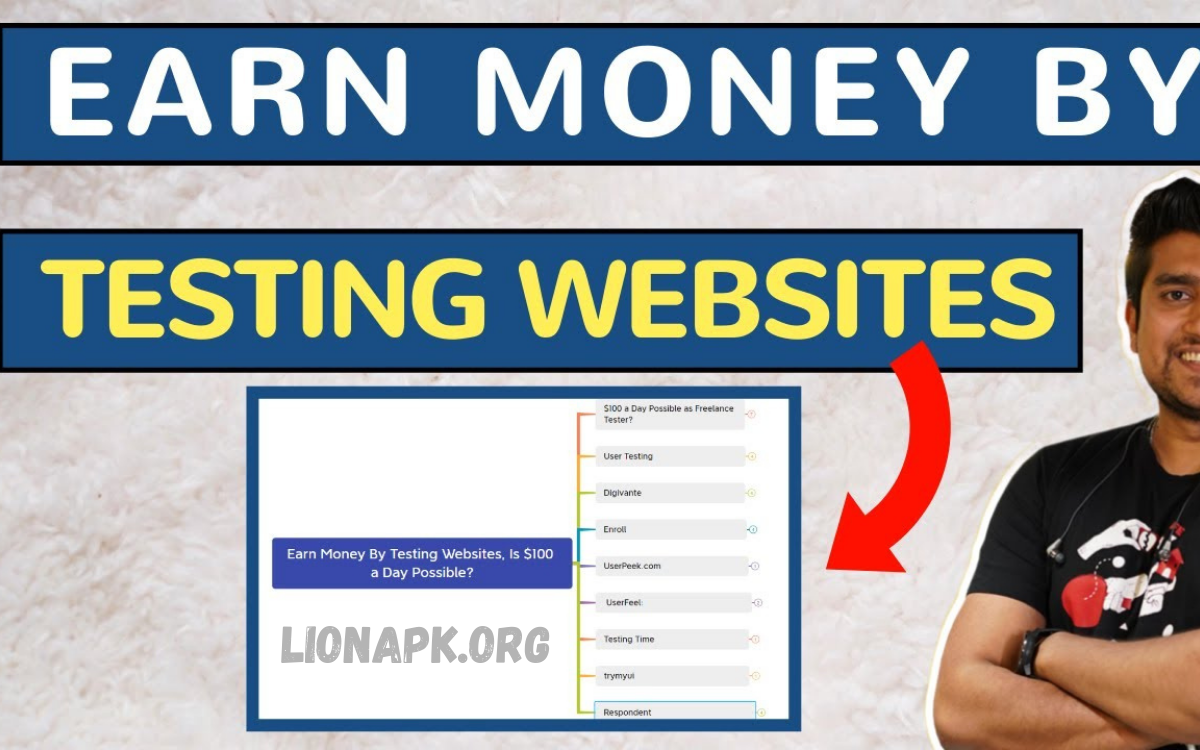
Digital products shape modern business operations. Every organization relying on web platforms requires real users to validate functionality, usability, performance, accessibility, and security. This demand creates a growing opportunity to earn by testing websites as an independent tester, side-income professional, or full-time specialist.
Website testing offers legitimate earnings without inventory, upfront capital, or advanced degrees. Companies pay for human insight, behavioral feedback, and real-world usage data that automated tools cannot replicate. Individuals with basic technical literacy, structured thinking, and communication skills can enter this field quickly.
About Website Testing as an Income Source
Website testing evaluates digital experiences before or after public release. Organizations hire testers to identify issues affecting conversions, engagement, performance, or trust. Testing focuses on human interaction rather than code development.
When you earn by testing websites, you function as an end user or quality reviewer. Tasks involve navigation, task completion, feedback delivery, and error documentation. Testing improves business outcomes while generating income for testers.
Why Companies Pay Testers?
Businesses lose revenue through poor usability, broken workflows, confusing interfaces, and technical errors. Website testing prevents these losses by identifying problems early.
Companies invest in testers for:
- Improved user experience
- Higher conversion rates
- Reduced customer support costs
- Stronger brand credibility
- Compliance with accessibility standards
Human testers provide context, perception, and reasoning unavailable through automation.
Types of Website Testing That Generate Income
Multiple testing categories exist. Each category offers different pay levels, skill requirements, and workload intensity.
Usability Testing
Usability testing evaluates how users interact with websites. Testers complete tasks while sharing thoughts verbally or through written feedback.
Common activities:
- Navigating pages
- Locating information
- Completing sign-up processes
- Evaluating clarity and layout
- Reporting confusion points
Usability testing requires no coding knowledge. This category remains the fastest way to earn by testing websites.
Earning potential:
Short tests pay modest amounts. Moderated sessions pay significantly more.
Functional Testing
Functional testing verifies whether features perform as intended.
Tasks include:
- Form submissions
- Button functionality
- Link validation
- Error handling verification
- Cross-browser checks
Functional testing suits detail-oriented individuals comfortable following test cases.
Earning potential:
Higher than usability testing due to structured reporting and technical precision.
Compatibility and Cross-Device Testing
Websites must perform consistently across browsers, screen sizes, operating systems, and devices.
Testers validate:
- Desktop responsiveness
- Mobile layout consistency
- Browser compatibility
- Device-specific rendering
Testers with multiple devices receive more assignments.
Accessibility Testing
Accessibility testing evaluates website usability for people with disabilities.
Focus areas include:
- Screen reader compatibility
- Keyboard navigation
- Color contrast
- Text readability
- Compliance standards
Accessibility testing requires guideline familiarity but offers stable demand.
Read Also: Microtask Websites to Earn Cash – Complete Guide for 2026
Performance Testing
Performance testing examines load speed, responsiveness, and stability under usage pressure.
Manual testers support performance analysis by:
- Reporting perceived delays
- Identifying slow interactions
- Comparing device performance
Security and Bug Bounty Testing
Security testing identifies vulnerabilities within websites.
This category requires advanced skills, including knowledge of security frameworks and attack vectors.
Earning potential:
High payouts per validated issue.
Skills Required to Earn by Testing Websites
Website testing values structured thinking more than formal education.
Core Skills
- Observational ability
- Clear written communication
- Logical reasoning
- Consistency in reporting
- Task execution accuracy
Technical Familiarity
Helpful knowledge includes:
- Browser behavior
- Device differences
- Basic website structure
- Common usability patterns
Advanced testing requires:
- Testing documentation standards
- Issue reproduction steps
- Severity classification
Tools Used by Website Testers
Professional testers rely on simple but effective tools.
Common tools include:
- Screen recording software
- Bug tracking systems
- Browser developer tools
- Testing dashboards
- Device simulators
Most platforms provide built-in tools, reducing setup complexity.
Platforms That Pay Users to Test Websites
Several reputable platforms allow individuals to earn by testing websites consistently.
Usability Testing Platforms
These platforms focus on user experience feedback.
Testers complete guided sessions with voice narration or surveys.
Approval often requires:
- Sample test completion
- Audio quality check
- Profile verification
Payments arrive through digital wallets or bank transfers.
Crowdsourced QA Platforms
QA platforms assign structured test cases.
Testers submit:
- Bug reports
- Screenshots
- Reproduction steps
- Environment details
Performance ratings influence future invitations.
Bug Bounty Platforms
Bug bounty platforms reward security findings.
Testers work independently within defined scope rules.
Valid findings generate one-time payments.
How Much Can You Earn by Testing Websites
Income varies based on skill level, availability, and platform participation.
Entry-Level Earnings
Casual testers earn supplementary income.
- Short tests generate modest payouts
- Monthly totals depend on invitation frequency
Intermediate Earnings
Consistent testers with strong ratings earn steady income.
- Regular test invitations
- Access to higher-paying studies
- Moderated sessions
Advanced Earnings
Professional testers and security researchers generate substantial income.
- High-severity bug rewards
- Long-term contracts
- Specialized testing roles
Step-by-Step Guide to Start Earning by Testing Websites
Step 1: Prepare Your Testing Environment
Ensure:
- Quiet workspace
- Stable internet connection
- Clear microphone
- Updated browsers
- Multiple devices if possible
Step 2: Create Strong Tester Profiles
Platforms match tests based on demographics and behavior.
Complete profiles accurately, including:
- Device usage
- Online habits
- Professional background
- Technical familiarity
Step 3: Pass Qualification Tests
Qualification tests evaluate:
- Instruction comprehension
- Feedback clarity
- Observation accuracy
Provide structured, honest feedback.
Step 4: Accept Tests Strategically
Not every test delivers equal value.
Prioritize:
- Higher-paying sessions
- Moderate time commitment
- Clear instructions
Decline poorly defined tests when allowed.
Step 5: Deliver High-Quality Reports
Strong reports include:
- Clear descriptions
- Reproduction steps
- Visual evidence
- Neutral tone
- Actionable suggestions
Quality ratings directly affect earnings.
Best Practices for Long-Term Success
Consistency Over Volume
Consistent performance builds trust and access to premium tests.
Professional Communication
Maintain respectful language, concise feedback, and objective analysis.
Skill Development
Learn:
- UX fundamentals
- Accessibility standards
- Testing methodologies
- Bug classification systems
Continuous learning increases earnings.
Platform Diversification
Relying on one platform limits income stability.
Register across multiple platforms to balance opportunity flow.
Common Mistakes to Avoid
- Rushed feedback
- Incomplete reports
- Ignoring instructions
- Background noise during recordings
- Overstating technical expertise
Professional conduct ensures sustained access.
Website Testing as a Career Path
Website testing can evolve beyond side income.
Career progression includes:
- Senior QA roles
- UX research positions
- Accessibility consulting
- Automation testing
- Product quality management
Testing experience strengthens resumes across digital roles.
Legal and Payment Considerations
Website testing income qualifies as freelance earnings.
Testers should:
- Track payments
- Understand local tax obligations
- Maintain payment records
Platforms typically issue payments via secure channels.
Frequently Asked Questions
What is website testing?
Website testing involves reviewing websites to identify usability issues, functional errors, design problems, or performance concerns. Businesses use tester feedback to improve user experience and product quality.
Can beginners earn by testing websites?
Yes. Beginners can earn by testing websites through usability testing platforms that require no coding knowledge. Clear communication and attention to detail are more important than technical expertise at entry level.
How much can someone earn by testing websites?
Earnings vary by test type and experience. Casual testers earn supplemental income, while consistent testers with strong ratings can earn a reliable monthly amount. Advanced testers earn higher payments per task.
Is website testing legitimate?
Website testing is a legitimate online income method. Companies pay testers for real user feedback through established platforms with structured payment systems.
What equipment is required for website testing?
Most tests require a computer or smartphone, stable internet connection, and a working microphone. Some tests may require a webcam or specific devices.
How are payments made to website testers?
Payments are usually made per completed test and processed through digital payment services or direct bank transfers, depending on the platform.
Do website testers work flexible hours?
Yes. Website testing offers flexible scheduling. Testers can accept tasks based on availability, making it suitable for part-time or remote income.
Conclusion
Opportunities to earn by testing websites continue expanding as digital experiences grow more complex. Website testing offers flexible income, remote accessibility, and skill-based growth without traditional barriers.
Success depends on consistency, attention to detail, and professional communication. Beginners can start immediately, while experienced testers scale earnings through specialization.
